As the global development of smart cities accelerates, urban transportation systems have officially entered a new phase of intelligent, low-carbon, driverless, and low-maintenance upgrades. Modern smart cities no longer rely solely on big data and IoT platforms for cloud-based management; they also require intelligent roadside infrastructure to bridge the “last mile” of smart transportation.
Traditional municipal streetlights and ordinary reflective road studs no longer meet smart city construction standards: streetlights involve cumbersome wiring, high energy consumption, and numerous lighting blind spots, while reflective road studs can only passively reflect light, fail in adverse weather conditions, and lack intelligent sensing capabilities. Solar-powered road studs, as lightweight intelligent roadside terminals, have become core supporting infrastructure for smart city road network upgrades, low-carbon transportation initiatives, and urban safety enhancements. This is due to their advantages of self-powered operation, intelligent light sensing, wireless installation, and stable, all-weather performance.
Smart city transportation development has long moved beyond the traditional model of simply “building roads, installing lights, and marking lanes.” Instead, it focuses on building a modern road network system centered on four key dimensions: intelligent management, green energy efficiency, comprehensive safety, and efficient operation and maintenance. These are also the core mandatory criteria for municipal engineering acceptance and smart project bidding evaluations.
First is intelligent autonomous operation: road safety facilities must possess environmental sensing, automatic start-stop, and unattended operation capabilities to integrate with urban digital and automated management systems; Second is low-carbon and energy-efficient development, which relies on clean energy to reduce municipal electricity consumption and supports cities in achieving carbon neutrality and meeting green infrastructure assessment standards; third is comprehensive safety coverage, which completely eliminates blind spots on urban side streets, alleys, and ramps to provide round-the-clock, full-road-section visual warnings; and finally, low-maintenance, long-term operation, where equipment features a long service life, low failure rates, and minimal need for frequent repairs, aligning with the remote operation and maintenance model of smart cities.
Traditional road infrastructure struggles to meet all these requirements simultaneously, whereas solar road studs perfectly align with the four key standards for smart city development, making them an essential end-product for the implementation of smart road networks.
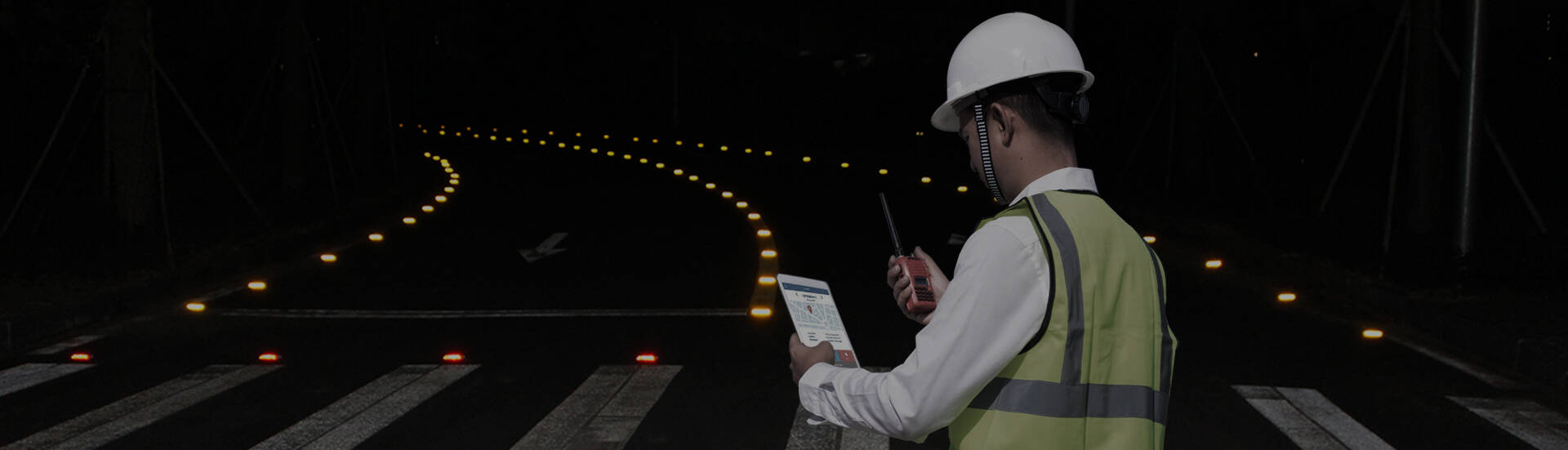
HOAN solar road studs are equipped with high-precision intelligent light-sensitive chips, enabling fully automated operation. During the day, they automatically absorb and store solar energy while remaining in sleep mode; at night or in low-light conditions such as rain or fog, they automatically illuminate. No manual switching or backend scheduling is required throughout the entire process. The devices seamlessly integrate with urban traffic IoT systems, enabling unmanned management of road network infrastructure. This completely resolves the issues of cumbersome manual control and delayed on/off timing associated with traditional streetlights, aligning perfectly with the digital and intelligent development logic of smart cities.
As a purely green and energy-efficient traffic device, the solar road stud relies on photovoltaic energy storage for self-powered operation, resulting in zero grid power consumption, zero electricity costs, and zero carbon emissions. Large-scale deployment can significantly reduce the power load on urban public roads, effectively cut municipal energy expenses, and help smart cities meet low-carbon performance targets and achieve green infrastructure ratings. It is the preferred energy-saving solution for government smart transportation tender projects.
Unlike traditional reflective road studs, which rely on vehicle headlights for passive reflection, solar road studs utilize high-brightness LEDs for active illumination. They are visible from distances of 600–800 meters and remain effective regardless of darkness, rain, fog, or dust storms. They precisely address lighting blind spots in urban back alleys, side streets, ramps, and parking lots, clearly delineating lane edges, crosswalks, and intersection contours. This helps regulate traffic flow for both pedestrians and vehicles, significantly reducing the incidence of nighttime collisions, scrapes, and lane-departure accidents, thereby strengthening the city’s traffic safety defenses.
In smart city retrofits of existing roads and new district construction, traditional wiring installations are highly prone to damaging underground utility lines and smart sensor cables, while also resulting in lengthy construction periods and significant road closures. HOAN solar road studs support wireless installation without the need for road excavation. They are adhesive-mounted, allowing for quick installation and same-day traffic reopening. This approach avoids damaging the city’s existing road network and underground infrastructure, significantly shortening smart traffic upgrade timelines while reducing construction-related disturbances and renovation costs.
The entire HOAN series of solar road studs features IP68 fully sealed waterproofing and high-strength cast aluminum housings. They can withstand heavy vehicle traffic, extreme temperatures, and corrosion from heavy rain and salt fog, with a service life of up to 5–8 years. With an extremely low failure rate, these devices require no frequent inspections, replacements, or repairs, making them perfectly suited for the remote, unmanned operation and maintenance model of smart cities. This approach saves municipal departments significant maintenance costs over the long term.
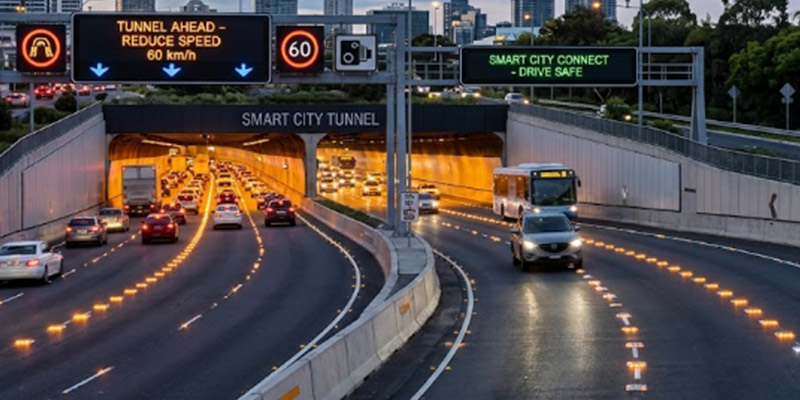
The solar road studs feature an independent modular design, allowing for flexible and independent single-point deployment. They can be installed at any location—including main roads, intersections, pedestrian streets, tunnel entrances, and parking lots—to meet the needs of refined urban road renovations. Additionally, they support multi-mode switching between constant-on, strobe, and alternating flashing modes, enabling the adjustment of warning intensity based on the risk level of different road sections to meet the refined and differentiated management requirements of smart cities.
Leveraging HOAN’s comprehensive product portfolio, different series of solar road studs can precisely match various smart city application scenarios, covering projects across all dimensions—from new urban development and old road renovations to cultural tourism upgrades and park optimization.
For urban thoroughfares and intersections, square-shaped, high-intensity flashing solar road studs are recommended. Their neat appearance blends seamlessly with the urban landscape, while multi-frequency flashing effectively alerts vehicles to slow down and yield, standardizing traffic flow at intersections and enhancing the efficiency and safety of main roads.
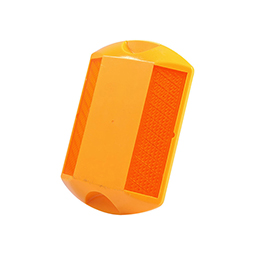
In the back alleys of old towns and residential side streets, economical round solar road studs are the ideal choice. Requiring no grid power, they provide low-cost illumination for unlit sections, quickly addressing nighttime safety concerns in older neighborhoods and supporting the smart renovation of historic districts.
For urban pedestrian streets and cultural tourism greenways, ultra-thin, low-profile solar road studs are employed. Their low profile sits flush with the road surface, eliminating the risk of tripping pedestrians. The soft glow balances safety warnings with aesthetic appeal, meeting the standards for smart cultural tourism city development.
In smart parking lots and campus roads, single-sided solar road studs clearly demarcate parking space boundaries and traffic lanes. When integrated with campus intelligent management systems, they standardize vehicle parking, reduce minor collisions, and enable smart traffic management within the premises.
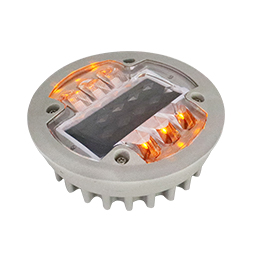
For elevated bridges, ramps, and tunnel entrances—high-risk expressway sections—we offer embedded heavy-duty solar road studs. Their deep-buried installation resists rolling and prevents dislodgement, while providing high-visibility warnings from a distance, effectively preventing lane departure and rear-end collisions on highways and urban expressways.
In response to the high standards and rigorous acceptance criteria of global smart city projects, HOAN has developed a comprehensive series of smart traffic-specific road studs to cover all urban construction scenarios. The embedded heavy-duty model emphasizes pressure resistance and waterproofing, making it suitable for urban heavy-load expressways; the square strobe model aligns with municipal standardization upgrades, combining aesthetics with performance; the circular economy model is ideal for large-scale, contiguous renovations, offering outstanding value for money; and the ultra-thin model is specifically designed for pedestrian walkways, ensuring safety and compliance.
The entire product line has obtained authoritative international certifications such as CE and RoHS, fully complying with global smart city project acceptance standards. We support customization of light colors, flashing frequencies, logos, and packaging to meet the diverse construction needs of cities worldwide. Additionally, the brand provides a complete set of acceptance documentation, technical specifications, installation guidelines, and after-sales warranty services to ensure the smooth implementation and acceptance of smart city projects.
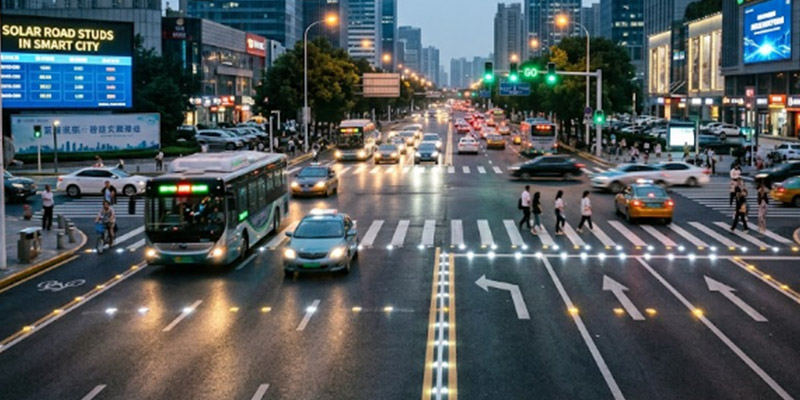
Compared to traditional road infrastructure, solar road studs offer irreplaceable advantages in smart city construction. Compared to municipal streetlights, they require no wiring, consume zero energy, and offer flexible installation, precisely addressing lighting blind spots while reducing renovation time and overall costs. Compared to ordinary reflective road studs, they feature intelligent sensing and active illumination capabilities, unaffected by weather or external light sources, truly meeting the smart city’s requirements for intelligent, all-weather safety management. They are smart road surface terminals that traditional facilities cannot replace.
When procuring for smart urban construction projects, precise selection must be based on specific scenarios: coastal cities with heavy rainfall should prioritize IP68 waterproof and corrosion-resistant cast aluminum models; old-city renovations should prioritize trenchless, ultra-thin products to minimize construction damage; pedestrian-heavy walkways must use low-profile, trip-proof designs; and for overseas smart turnkey projects, prioritize direct sourcing from manufacturers, conduct sample testing in advance, and ensure a complete set of certification and acceptance documents to guarantee smooth project implementation.
Smart city development extends beyond cloud-based intelligent management; the intelligent, energy-efficient, and safety-enhancing upgrades of roadside infrastructure are the core to the successful implementation of smart transportation. Solar road studs, with their core advantages of intelligent self-control, green energy efficiency, comprehensive blind spot coverage, low maintenance costs, and easy deployment, address industry pain points such as the lack of intelligence in traditional road infrastructure, high energy consumption, numerous blind spots, and difficult maintenance. They have become standard equipment for modern smart city road network upgrades.
For more information on smart city road stud application cases, product specifications, and bulk purchasing solutions, please visit the HOAN Traffic official website at haroadstud.com to request free samples and obtain customized smart transportation project solutions.