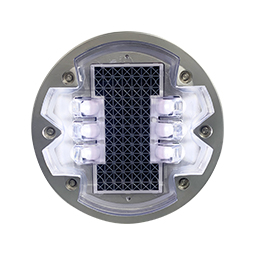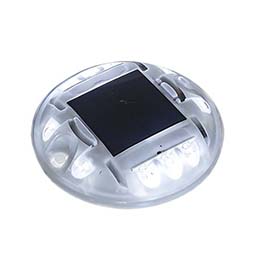
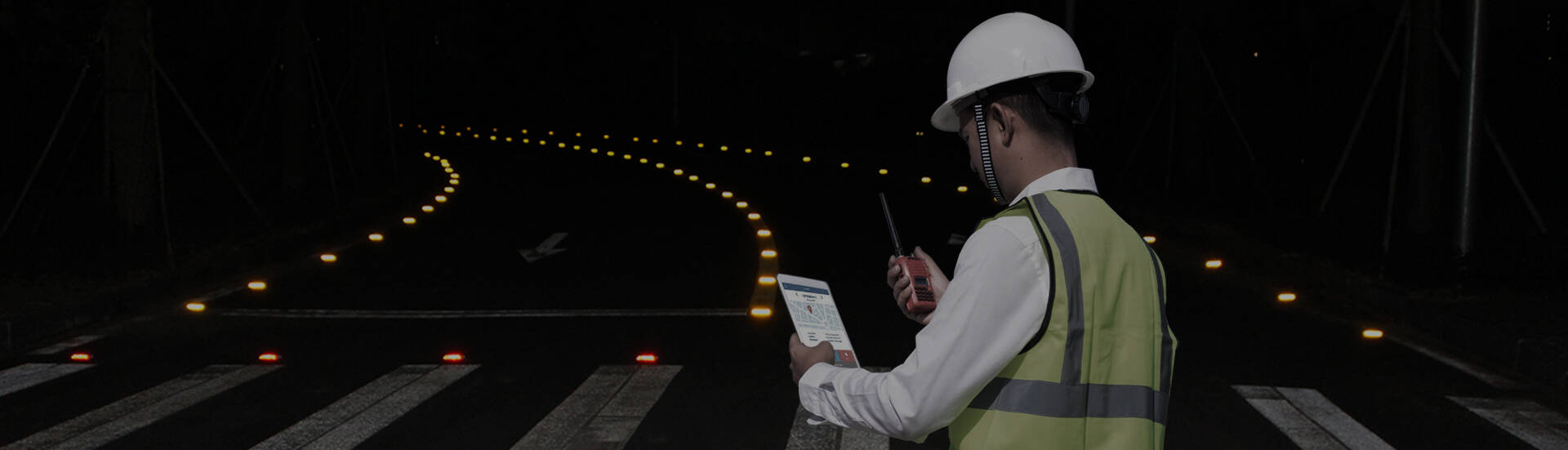
Pathways, walkways, greenways, park trails, and community roads often suffer from insufficient lighting and uneven light distribution, especially at night, on cloudy days, or during fog and rain. In low-visibility conditions, pedestrians and cyclists face heightened risks, including route deviation, collisions with obstacles, and accidental entry into hazardous areas.
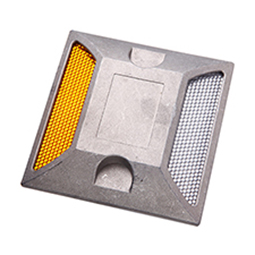
Traditional reflective road studs rely entirely on vehicle headlights to reflect light and provide guidance, making them nearly ineffective for pedestrian pathways with no strong external light sources. Solar road studs, by contrast, charge automatically during the day and light up actively at night without external power or wiring, greatly improving nighttime visibility and overall safety for slow-traffic users.
This guide explains how to select the right solar road studs for pathways, covering core selection criteria, scenario matching, common purchasing mistakes, and product advantages to help you create safer, more reliable walking environments.
|
Comparison Item |
Solar Road Studs |
Traditional Reflective Road Studs |
|
Lighting Method |
Active LED lighting; auto-charges by day and lights up at night |
Passive reflection; only visible under direct headlights or strong light |
|
Visibility Condition |
Clearly visible without external light sources; effective 24/7 |
Barely visible without direct light; poor performance for pedestrians |
|
Recommended Scenarios |
Pathways, parks, communities, greenways, bike lanes |
Vehicle roads; depends on headlight reflection |
|
Performance in Rain & Fog |
Long visible distance; stable warning effect |
Significantly reduced visibility; low safety performance |
|
Installation & Maintenance |
No wiring, no electricity cost; low long-term maintenance |
Low unit price but easy to wear and fall off; requires frequent replacement |
|
Overall Safety |
Active guidance; greatly reduces nighttime accidents |
Auxiliary marking only; cannot independently ensure pedestrian safety |
In real-world pathway applications, solar road studs deliver clear advantages in safety, practicality, and long-term cost performance.
Since pathways are used mainly by pedestrians and cyclists, brightness and viewing distance are the most critical safety indicators. High-quality pathway solar road studs use ultra-bright, large-size LED beads with even, soft light output and 360° omnidirectional illumination for full-angle recognition.
Qualified products should offer a visible distance of no less than 500 meters and support both steady and flashing light modes. Steady mode is ideal for regular paths, while flashing mode improves warning in dangerous sections, maximizing safety for all users.
Pathway markers are exposed outdoors year-round and must withstand rain, humidity, high temperatures, frost, and coastal salt spray. Professional solar road studs should have a waterproof rating of at least IP67, with IP68 strongly recommended for long-term reliability.
They should operate stably in a temperature range of -20℃ to +70℃, resist UV yellowing and cracking, and withstand prolonged sun exposure. Salt-resistant designs are also available for coastal areas to prevent corrosion and extend service life.
Continuous lighting is essential for pathway safety, even during extended rainy periods. Premium solar road studs use long-life lithium batteries instead of Ni-MH batteries for better charge retention and cycle life.
Under full sunlight, most units fully charge in about 8 hours. In standard configuration, they support ≥40 hours of continuous lighting in steady mode and ≥120 hours in flashing mode, ensuring reliable performance for 3–7 consecutive rainy or cloudy days.
Many pathways are located under trees or near buildings, resulting in weak or limited sunlight. Professional models use high-efficiency monocrystalline silicon solar panels with a conversion rate of 18%–22%, enabling effective charging even in low light.
The panel surface is scratch-resistant and pressure-resistant, maintaining stable charging performance over years of use without efficiency loss from surface wear.
Although pathways are designed primarily for pedestrians, they are also used by bicycles, wheelchairs, and light service vehicles. For durability, choose units with an aluminum alloy shell + PC light cover combination.
The structure should be sturdy, anti-crack, and anti-aging, with a compression resistance of 10–20 tons to withstand daily pressure without deformation or breakage. Low-cost plastic shells tend to crack, fade, and create trip hazards.
Select the installation style based on your pathway surface:
Both types require no wiring and can be installed quickly by a single worker, reducing construction time and future maintenance.
Light color and mode directly affect visibility and comfort:
Prioritize aesthetics and gentle illumination while ensuring safety. We recommend embedded solar road studs with white or green steady light. Moderate brightness ensures clear guidance without disrupting the natural environment.
Safety and durability are key for areas with many elderly people and children. Surface-mounted aluminum solar road studs with IP68 waterproofing are highly recommended. They are easy to install, low-maintenance, and effectively prevent trips and collisions at night.
Long-distance visibility and high compression resistance are essential for faster-moving cyclists. High-brightness LED models with strong casings and switchable steady/flashing modes are ideal. They allow riders to recognize routes and road edges in advance, improving efficiency and safety.
These areas require strong warning performance. Red flashing solar road studs with enhanced IP68 waterproofing are the best choice. The high-contrast flashing light quickly alerts pedestrians to hazards, greatly reducing the risk of falls and accidents.
Low-price solar road studs often use low-luminosity LEDs with narrow viewing angles, making them almost useless at night and creating serious safety risks.
Products marked with misleading IP ratings or rated below IP65 often fail quickly in rainy or humid climates, especially in southern coastal regions.
Some cheap models use undersized batteries and falsely advertise long working times. They often go out during cloudy periods, leaving pathways dark and dangerous.
Low-grade plastic casings yellow, become brittle, and crack under sunlight and pressure. Broken studs create sharp fragments and trip hazards, leading to secondary injuries.
Using heavy-duty vehicle-grade studs on pedestrian paths causes protruding hazards. Using lightweight surface mounts on high-traffic areas leads to loosening and early failure.
HAROADSTUD specializes in the R&D and manufacturing of solar road studs with mature production systems and global project experience. We deeply understand the needs of slow-traffic pathways and deliver reliable, scenario-based solutions.
We offer surface-mounted, embedded, aluminum-cased, and PC-cased models to fit any pathway, surface material, or aesthetic requirement. One-stop selection saves time and simplifies procurement.
Our pathway solar road studs use dual-seal structural design and undergo strict waterproof testing. They resist heavy rain, flooding, high humidity, and salt spray without water intrusion or short circuits.
Our products feature high-brightness LEDs and large-capacity lithium batteries for efficient charging and long working hours. They perform reliably even in low light and continuous rainy days.
We support customization of light color, working mode, logo, and technical parameters. Full certification and test reports are available to meet international bidding requirements.
Every unit passes charging test, light test, waterproof test, and compression test before shipment. We provide a warranty, professional installation guidance, troubleshooting support, and spare parts supply.
No. Our solar road studs feature a light-sensitive control system and operate independently. They charge during the day and turn on automatically at dusk or in low light, with no reliance on vehicle headlights or external power.
Under normal installation and usage, HoAnROADSTUD solar road studs last more than 5 years. The UV-resistant shell, long-life LEDs, and high-cycle lithium batteries ensure stable long-term performance.
Yes. With a professional IP68 waterproof structure, our studs are fully sealed and protected against prolonged rain and temporary submersion.
Yes. Concrete and asphalt paths support both surface and embedded installation. Stone and tile surfaces are ideal for surface-mounted installation using professional pavement adhesive.
Use steady mode for regular paths, parks, and low-speed areas for comfortable, even lighting. Use flashing mode for turns, steps, slopes, curbs, and other high-risk zones to maximize warning effect.
The core of pathway safety is consistent, stable, and clear visibility, especially at night and in bad weather. When selecting solar road studs for pathways, focus on brightness, waterproofing, battery life, material, and installation method to avoid low-quality products.
HoAnROADSTUD provides professional, durable, and cost-effective solar road stud solutions for pathways, parks, communities, greenways, and bike lanes worldwide. Contact us today for a product catalog, samples, and customized project support to enhance safety on every path.