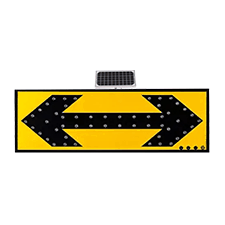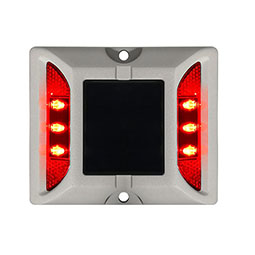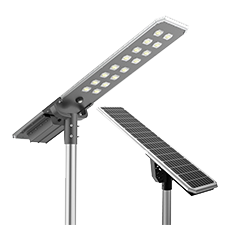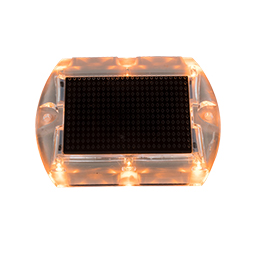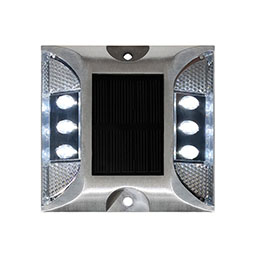
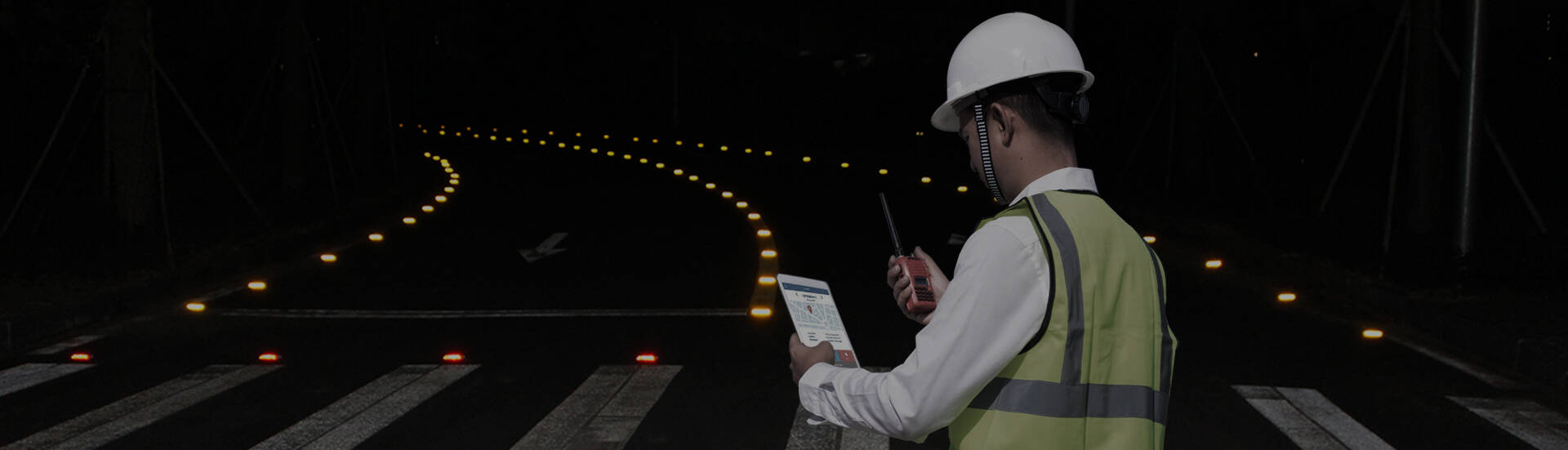
In various road and transportation infrastructure projects—such as rural road upgrades, mountainous road renovations, scenic area road network construction, and coastal municipal engineering—traffic signs serve as core infrastructure for regulating traffic flow, warning of road hazards, and ensuring traffic safety. Currently, the vast majority of road projects still rely on traditional static reflective signs or mains-powered illuminated signs; however, both types of products have numerous shortcomings in practical implementation. Remote mountainous areas and rural roads lack municipal power grid coverage, making the wiring costs for grid-powered signs extremely high. Ordinary reflective signs rely on vehicle headlights for passive reflection, resulting in extremely poor visibility during rain, fog, or late at night, which can easily lead to traffic accidents. At the same time, traditional equipment involves cumbersome installation, high operation and maintenance costs, and poor environmental adaptability, posing core challenges for contractors and road administration procurement departments.
As a new generation of smart road safety equipment, solar-powered traffic signs are rapidly replacing traditional signage due to their advantages of self-powered, wireless operation; active illumination; all-weather durability; and ultra-low maintenance costs, making them the mainstream choice for road infrastructure projects worldwide. HOAN Traffic specializes in the R&D of traffic signage equipment, developing a full range of integrated solar-powered traffic signs designed to adapt to various complex road conditions and extreme climates.
Currently, traditional traffic signs commonly used in road projects fall into two categories: static reflective signs and grid-powered illuminated signs. Both have inherent limitations that cannot be avoided, making it difficult for them to meet the demands of modern, high-standard road construction.
Ordinary static reflective signs are the most basic type of road signage. They rely on vehicle headlights to achieve passive reflective warning, which presents critical safety shortcomings. Under adverse weather conditions such as dense fog, heavy rain, or sandstorms, light penetration decreases significantly, drastically shortening the visible distance of the signs. On unlit road sections late at night or on curved roads near cliffs, the reflective effect is weak and fails to provide effective warnings—a major cause of frequent accidents on mountainous and rural roads. Additionally, these signs lack intelligent control functions, resulting in unstable nighttime warning effectiveness that fails to meet high-standard municipal road acceptance criteria.
Municipal grid-powered illuminated signs, while addressing the issue of active illumination, entail extremely high implementation costs and operational maintenance pressures. These devices must rely on the municipal power grid, requiring road excavation, cable laying, and the installation of distribution boxes during construction. For dispersed and remote rural road networks and deep mountain roads, construction is difficult, project timelines are lengthy, and overall costs double. Once the equipment is put into use, it incurs ongoing electricity costs. Furthermore, exposed wiring is constantly exposed to rain and salt fog, making it highly susceptible to short circuits, aging, and corrosion. This requires a significant annual investment of manpower and resources for maintenance and replacement, resulting in persistently high long-term operational and maintenance costs that severely undermine the project’s operational efficiency.
HOAN solar-powered traffic signs specifically address all the pain points of traditional signage, offering upgrades across multiple dimensions—including installation, safety protection, cost control, and environmental adaptability. They represent a cost-effective solution suitable for all types of road projects and are the primary reason they are the preferred choice for current infrastructure projects.
Road conditions, pedestrian traffic, and climatic conditions vary greatly across different road scenarios. Targeted selection is essential to maximize the value of the equipment and ensure compliance with project acceptance standards. Based on HOAN’s comprehensive product portfolio, the following standardized selection solutions are tailored to various engineering scenarios.
Rural Roads Without Grid Power: Rural road networks are dispersed, budgets are limited, and there is no municipal power supply. The HOAN Economy Series solar warning signs are the preferred choice, covering basic warning models for curves, steep slopes, and cliff edges. They offer high cost-effectiveness and low bulk installation costs, perfectly addressing the challenges of power shortages and inadequate warning signage on rural roads, and are well-suited for rural road lighting and safety improvement projects.
Mountainous, Winding Roads in Foggy Areas: Mountainous roads feature dense curves, high cliff-edge risks, and year-round fog, requiring extremely high light penetration. We recommend high-brightness, strobe-style solar-powered curve warning signs. These devices emit light from both sides, providing a striking strobe warning that penetrates fog from a distance, alerting drivers in advance to slow down and effectively reducing the accident rate on high-risk mountain sections.
Roads near schools and residential areas: With high pedestrian traffic and slow-moving vehicles, these areas require gentle yet effective warning effects, making HOAN solar-powered pedestrian crossing signs the ideal solution. The soft LED light source is non-glare and produces no light pollution, clearly reminding drivers to yield to pedestrians and safeguarding the safety of students and residents, while supporting refined security infrastructure in residential settings.
Coastal Roads Prone to Rain and Salt Fog: Coastal road sections are constantly exposed to rain and salt fog corrosion, placing stringent demands on equipment weather resistance. Thickened, corrosion-resistant aluminum alloy solar-powered speed limit signs are the optimal choice. Their specialized anti-corrosion coating resists salt fog, rust, water, and moisture, ensuring they remain distortion-free and trouble-free during long-term outdoor use, making them suitable for complex coastal climatic conditions.
Scenic Area Slow-Traffic Paths: Scenic area roads prioritize both aesthetics and safety; we recommend HOAN’s ultra-thin, integrated solar-powered scenic area warning signs. Their slim, minimalist design blends seamlessly with the natural landscape, and their soft lighting is ideal for slow-traffic paths, enhancing the overall aesthetic appeal of the scenic area while ensuring safety.
The entire HOAN line of solar-powered signs supports customization of graphics, brightness, and dimensions. The range covers all categories, including speed limit, curve, steep slope, pedestrian, and wildlife warning signs. These products hold CE and RoHS international certifications, come with complete acceptance documentation, and support both small-order samples and full-container bulk exports.
When compared across four core dimensions—installation costs, safety effectiveness, O&M expenses, and environmental adaptability—solar-powered signage overwhelmingly outperforms traditional equipment. In terms of installation, grid-powered signs require excavation and wiring, resulting in high material and labor costs; reflective signs require no installation but provide ineffective warnings; solar-powered signs are ready for use immediately upon pole installation, significantly reducing initial project budgets. In terms of safety, traditional signs fail to provide warnings in rainy or foggy weather, whereas solar-powered signs actively emit light and maintain high visibility around the clock, significantly enhancing road safety. Regarding operation and maintenance, grid-powered signs consume electricity continuously and experience frequent malfunctions, while reflective signs require periodic repainting; solar-powered signs incur zero electricity costs and have low failure rates, offering excellent long-term cost-effectiveness. In terms of application scenarios, solar-powered signs are not restricted by the power grid and can be adapted to all road environments; they are the only signage solution capable of addressing remote roads, complex climates, and low-cost implementation.
To ensure effective project implementation and long-term stability, procurement and model selection must be precisely tailored to specific operating conditions. For projects in mountainous or coastal areas with heavy rainfall and high corrosion, be sure to select IP65-rated corrosion-resistant aluminum alloy models and avoid low-quality plastic products with inadequate protection; for large-scale rural renovation projects, prioritize economical models to strictly control project budgets; for campus and residential area projects, choose models with soft lighting to avoid disturbing residents with glare; for overseas infrastructure projects, verify that the product has a full set of international certifications to ensure smooth acceptance. Prioritize installation on sunny days, and regularly clean dust from the solar panels to ensure stable energy storage and endurance, thereby extending the equipment’s service life.
Whether for off-grid rural roads, foggy mountain highways, coastal expressways, or campus and residential areas, as well as pedestrian paths in scenic spots, solar-powered traffic signs perfectly address the core pain points of traditional reflective signs—such as weak visibility—and grid-powered signs—such as high costs, cumbersome maintenance, and poor adaptability. With multiple advantages—including no wiring and zero electricity costs, active illumination for enhanced safety, all-weather durability, easy installation, and ultra-low O&M costs—they have become essential equipment for modern road infrastructure upgrades. For all types of road engineering projects, selecting HOAN solar traffic signs not only reduces construction and operational costs but also enhances road safety standards and increases the project’s acceptance rate.
To obtain scenario-specific selection guides, detailed product specifications, real-world road project case studies, and bulk purchase quotes, visit the HOAN official website at haroadstud.com. You can request free samples, consult with professional engineering advisors one-on-one, and customize your own road safety solution.