In various transportation engineering projects—such as road reconstruction, municipal upgrades, highway maintenance, mining infrastructure development, and rural road network renovations—traffic signs and road surface warning facilities are core infrastructure elements that ensure traffic safety, regulate traffic flow, and facilitate successful project acceptance. The primary reasons for project acceptance failures, high accident rates in the post-construction period, and overspending on operation and maintenance costs are not due to construction quality issues, but rather to the selection of traffic signs that are ill-suited to the specific conditions during the planning phase. Many procurement entities focus solely on low prices while neglecting key factors such as road conditions, climate, compliance standards, and long-term durability. This results in signs with poor visibility, susceptibility to damage, lack of water resistance, and ineffective warnings—issues that not only compromise traffic safety but also lead to a series of problems, including repeated construction work, wasted funds, and project delays.
Selecting the right traffic signs based on project scenarios, road conditions, budget constraints, and regional regulations is a critical necessity for general contractors, procurement agencies, and operations and maintenance teams. HOAN Traffic specializes in the field of traffic safety and security, offering a comprehensive product portfolio that includes reflective signs, solar-powered active lighting signs, and heavy-duty road warning devices, capable of meeting the needs of large, medium, and small-scale traffic projects worldwide.
While traffic signs may appear to be basic supporting infrastructure, they directly determine a project’s safety level, compliance rate, and long-term operation and maintenance costs. Scientific and reasonable selection is key to the high-quality implementation of engineering projects, primarily reflected in three dimensions.
First is the safety assurance aspect. Inappropriate traffic signs can result in insufficient nighttime visibility, ineffective warnings during rain or fog, and damage or detachment caused by heavy vehicle traffic. Such signs fail to effectively guide traffic flow or warn of risks, making it highly likely to cause traffic accidents such as lane departures, rear-end collisions, and crashes, thereby creating long-term road safety hazards. Especially on high-risk road sections such as highways, mountainous areas, and mining zones, selection errors can directly amplify safety vulnerabilities in road conditions.
Second is the compliance and acceptance inspection aspect. Municipal transportation authorities worldwide have clear specifications regarding signage materials, brightness, protection ratings, and colors, and they adhere to general road traffic standards such as GB 5768. Arbitrary selection of signage models can easily result in parameters that fail to meet standards or non-compliant designs, preventing projects from passing road administration inspections and delaying the opening of the road to traffic, which in turn causes project delays and financial losses.
Finally, there is the issue of cost control. Low-cost, substandard signage may have a low initial procurement cost, but its poor abrasion resistance, water resistance, and weather resistance often require frequent maintenance, replacement, and reinstallation over the years, resulting in persistently high long-term operational and maintenance costs. Scientific selection ensures a one-time installation with long-lasting durability, significantly reducing full-lifecycle operational and maintenance costs and enhancing the project’s overall cost-effectiveness.
The selection of professional-grade traffic signs cannot be based solely on experience or price; it must be determined comprehensively by considering five core dimensions—scenario and road conditions, climate and environment, visibility requirements, compliance standards, and project budget—to ensure the signs meet the project’s actual implementation needs.
Different road conditions impose vastly different requirements on traffic signs in terms of impact resistance, stability, and warning methods. Expressways and major urban thoroughfares, characterized by high speeds and heavy traffic, require warning signs that are highly visible from a distance, highly impact-resistant, and wear-resistant; urban roads, crosswalks, and residential side streets—where pedestrian and vehicle traffic is dense—should prioritize signage that is low-glare, smooth and hazard-free, and provides gentle warnings; Mining areas and construction site roads, which are characterized by severe bumpiness and dust, must use industrial-grade signs that are impact-resistant, dustproof, vibration-resistant, and highly pressure-resistant; in remote rural areas without access to the power grid, traditional grid-powered signs should be avoided in favor of wireless, self-powered solar warning devices.
Climate is a key factor affecting the service life of traffic signs. In regions with heavy rainfall, frequent fog, and high humidity, special attention must be paid to the equipment’s waterproof and anti-fog performance; IP68 fully sealed products should be prioritized to prevent equipment failure caused by rainwater immersion or moisture penetration. In coastal areas prone to salt fog, emphasis should be placed on corrosion-resistant and anti-aging materials to withstand salt fog corrosion. In regions with high temperatures and intense sunlight, materials that are heat-resistant, fade-resistant, and UV-resistant should be selected; in areas with low temperatures and frost, wide-temperature operating modes must be adopted to prevent startup failures and brittle cracking of the housing.
Traffic signs are divided into two main types: passive reflective and active luminous, each suited to different visibility requirements. On urban side streets with well-maintained street lighting and good road conditions, standard high-brightness reflective signs can meet basic warning requirements and offer better value for money; on unlit highway sections, in mountainous foggy areas, and on remote rural roads—where vehicle headlight illumination is limited—passive reflective signs are highly prone to failure. Solar-powered active-lighting signs must be used to provide autonomous, high-brightness warnings around the clock, with greater penetration through rain, fog, and darkness, and a visibility range far exceeding that of traditional reflective devices.
Overseas municipal tenders and domestic road renovation projects have explicit requirements regarding the color, flashing patterns, materials, and certifications of traffic signs. Export projects must be equipped with complete international certifications such as CE and RoHS to meet local customs clearance and road administration acceptance standards; domestic projects must comply with national traffic standards to ensure consistent and compliant sign designs and warning effects, thereby eliminating the risk of acceptance failure at the source.
For routine road renovation projects with limited budgets, high-quality reflective signs can be procured in bulk to meet basic safety and compliance requirements; For high-risk road sections and remote projects where long-term operation and maintenance are challenging, we recommend upgrading to solar-powered active-lighting signs. Although the initial procurement cost is higher, the advantages of zero electricity costs, no wiring, and ultra-low O&M expenses can significantly reduce long-term costs associated with refurbishment, replacement, and manual inspections, resulting in better cost-effectiveness over the entire lifecycle.
Addressing the pain points of various engineering projects, HOAN Traffic has developed differentiated, tailored products for mainstream traffic sign categories on the market, covering all scenarios and budget requirements to enable one-stop selection and implementation.
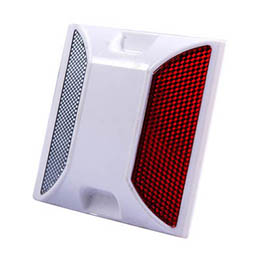
These signs utilize high-refractive-index reflective film to provide passive reflective warnings. They are suitable for ordinary urban roads, residential side streets, and standard road sections in good condition, offering simple installation, high cost-effectiveness, and convenient maintenance. HOAN high-brightness reflective road studs and pavement markings utilize highly wear-resistant reflective materials that are UV-resistant and resistant to fading and peeling, ensuring stable nighttime visibility. They are suitable for standardized installation over large areas of standard road surfaces.
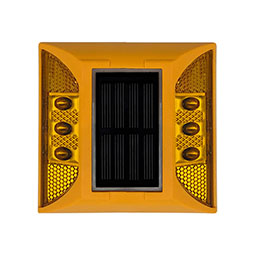
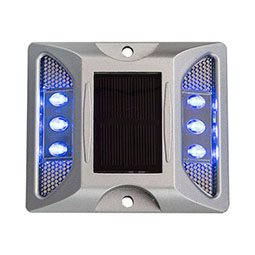
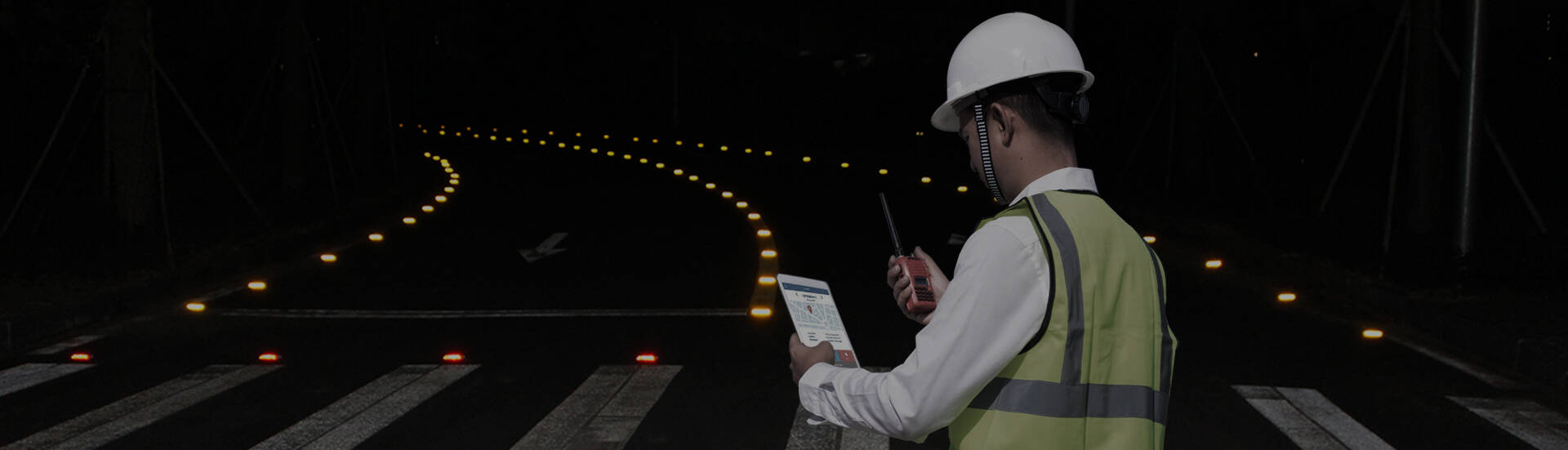
Designed specifically for off-grid, low-visibility, and high-risk road sections, these signs require no wiring, incur zero electricity costs, and generate their own light through energy storage, making them a core product for modern smart transportation upgrades. They are suitable for high-risk scenarios such as rural and remote roads, highway curves, long downhill slopes, fog-prone areas, and tunnel entrances and exits. HOAN solar-powered signs support multiple modes—including constant illumination, fast and slow strobe, and synchronized flashing—with high brightness that penetrates rain and fog to provide stable, all-weather warnings, completely resolving the issue of traditional reflective signs failing in adverse weather conditions.
Developed for mining areas, construction sites, and heavy-duty freight routes, these signs feature a one-piece cast aluminum structure that offers high compressive strength, impact resistance, deformation resistance, and shock resistance. They can withstand repeated rolling by heavy trucks over the long term and are dustproof, shockproof, and damage-resistant, making them perfectly suited for high-intensity, high-wear industrial road conditions and significantly reducing the frequency of equipment replacement.
Featuring an IP68 fully sealed, one-piece construction, these traffic signs are specifically designed for areas with heavy rainfall, standing water, and coastal salt fog corrosion. They eliminate issues such as water ingress causing short circuits, corrosion and aging, and breakage or failure. They maintain stable weather resistance year-round and are suitable for long-term outdoor use on special road sections with high humidity and high corrosion levels.
Most projects that later encounter safety hazards, equipment scrapping, or acceptance delays stem from common selection pitfalls. First, an exclusive focus on low price while neglecting protection ratings and material quality. Low-cost, substandard equipment has poor water resistance, compression resistance, and weather resistance, leading to short-term breakage and failure, which ultimately increases overall costs. Second, purchasing the same product for all scenarios—such as misusing standard reflective signs in high-risk fog zones or on non-electrified road surfaces—results in insufficient warning capabilities in critical situations; Third, using lightweight plastic signs on heavy-duty roads in mining areas—these cannot withstand the pressure of heavy vehicles and are highly prone to shattering and detaching; fourth, ignoring regional compliance standards—mismatches in light color, flashing modes, and certification qualifications lead to project acceptance failures and prevent the road from opening to traffic; fifth, focusing solely on procurement costs while neglecting long-term operation and maintenance costs, resulting in prolonged financial waste.
For highway projects, a combination of “reflective signs + solar-powered signs” is deployed. On straight sections, high-brightness reflective road studs are used to control costs, while solar-powered active-lighting signs are installed on curves, ramps, and fog-prone areas to balance safety and cost-effectiveness; for urban road projects, low-glare, pedestrian-friendly soft-light signs are selected to accommodate mixed pedestrian-vehicle traffic and avoid light pollution and traffic hazards; For rural projects without access to the power grid, a complete set of solar-powered, self-contained signs is deployed, eliminating the need for wiring and enabling low-cost upgrades to road network illumination; for mining infrastructure projects, heavy-duty cast aluminum industrial signs are uniformly adopted to ensure long-term stability under high-intensity operating conditions; for coastal projects with high rainfall, the IP68 waterproof and corrosion-resistant series of signs is prioritized to withstand moisture and salt fog corrosion.
With its comprehensive product portfolio, scenario-based customization capabilities, and complete compliance certifications, HOAN Traffic has become the preferred supplier of traffic signage for global engineering projects. The brand offers a full range of products, including passive reflective signs, solar-powered active lighting signs, heavy-duty industrial signs, and waterproof and corrosion-resistant signs, providing a one-stop solution to meet project needs across different scenarios, budgets, and climates. All products strictly comply with international traffic standards and come with a full suite of export certifications, including CE and RoHS, making them suitable for global tenders and cross-border procurement. We also provide free sample testing, one-on-one engineering selection solutions, bulk customization, and end-to-end technical guidance to ensure the efficient implementation and successful acceptance of all types of traffic projects.
Selecting traffic signs is not merely a matter of product procurement; it is a comprehensive engineering decision that takes into account the specific scenario, climate, road conditions, regulatory compliance, and budget. Scientific selection can fundamentally enhance road safety, ensure project compliance and acceptance, and reduce long-term operation and maintenance costs—making it a critical step in improving the quality and efficiency of traffic engineering projects. Whether for municipal renovations, highway maintenance, rural infrastructure, or mining projects, matching passive reflective or solar-powered active lighting signs to specific needs is essential to maximize the practical value of the equipment.
To obtain a project-specific traffic sign selection plan, detailed product specifications, and bulk purchase quotes, visit the HOAN Traffic official website at haroadstud.com. There, you can request free product samples, consult with professional engineering advisors one-on-one, and customize road safety solutions tailored to various road conditions.