Street lighting serves as the fundamental safeguard for community operations, its value permeating multiple dimensions of residents' lives. From a safety perspective, it acts as the ‘guardian’ for residents' night-time movements, effectively reducing the incidence of crimes such as theft and vandalism in public areas; From a lifestyle perspective, adequate illumination supports evening strolls, fitness activities, and neighbourhood gatherings, ensuring the smooth operation of communal facilities.
Moreover, high-quality street lighting enhances the community's overall aesthetic appeal, fostering residents' sense of belonging and well-being. Within the global trend towards energy conservation and environmental protection, lighting systems have become a pivotal component of green community development, directly influencing a neighbourhood's sustainable growth potential.
For years, traditional grid-powered street lighting has presented numerous challenges for community management. High operational costs remain a core issue, with ongoing electricity expenses consuming substantial community funds and squeezing investment in other public services like landscaping improvements and facility maintenance.
From an environmental perspective, traditional streetlights rely on fossil fuel-generated electricity, producing substantial carbon emissions that contradict the principles of green community development. Maintenance-wise, ageing lighting infrastructure suffers frequent malfunctions, incurring high repair costs and delayed responses, often disrupting residents' lives through lighting outages. Furthermore, installing conventional streetlights requires extensive cabling, posing significant challenges in remote areas like community parks and footpaths, frequently leaving lighting blind spots.
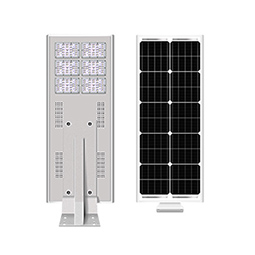
Solar street lights offer core advantages including energy efficiency, low cost, environmental sustainability, and ease of installation and maintenance. These attributes precisely align with diverse community development needs, establishing them as the ideal replacement for conventional lighting. Their emergence not only resolves numerous shortcomings of traditional illumination but also empowers communities across multiple dimensions: safety, economy, environmental sustainability, and quality of life.
This article systematically outlines the multifaceted benefits solar street lights bring to communities, aiding administrators and residents in comprehensively understanding the value of solar lighting upgrades and providing practical guidance for community enhancement.
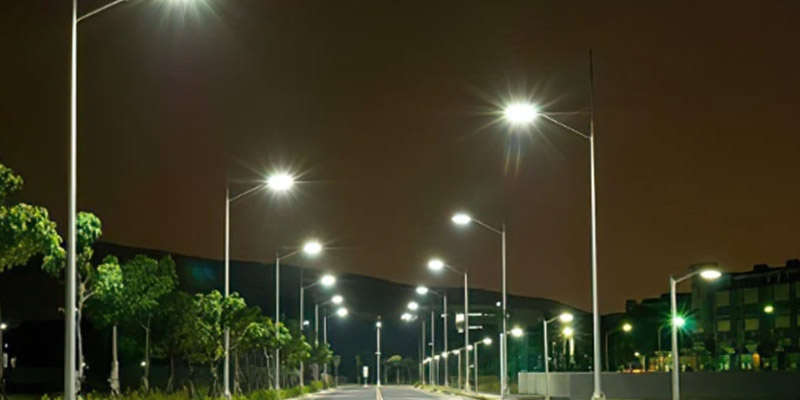
Eliminating illumination blind spots forms the foundation of solar street lights' contribution to community safety. Operating independently of the grid, they offer flexible and convenient installation, effortlessly covering all public areas including community roads, parks, car parks, and secluded paths. This achieves comprehensive night-time illumination without gaps, ensuring residents feel more secure when travelling after dark.
Bright, uniform lighting reduces hiding places for criminals, effectively deterring illegal activities such as theft and vandalism of public facilities, thereby lowering community crime rates. For pedestrians and non-motorised vehicle users, ample illumination enhances visual clarity, reducing accidents such as trips and collisions.
Certain solar street lights feature motion sensors that automatically increase brightness when people or vehicles pass by. This not only enhances lighting and warning effects in critical areas but also conserves energy, further elevating the community's night-time safety defences.
Zero electricity expenditure represents the most direct economic advantage of solar street lighting. Relying on autonomous solar power generation, it operates entirely off-grid, delivering substantial long-term savings on electricity bills for communities. This frees up limited community funds for more urgent public service improvements, such as community greening initiatives or upgrading facilities for elderly activities.
Regarding installation costs, solar street lights eliminate the need for electrical cabling, thereby avoiding road excavation and damage to greenery. The simplified construction process significantly reduces labour expenses. Core components—solar panels, LED light sources, and lithium batteries—feature extended lifespans, stable performance, and extremely low failure rates. Furthermore, certain products incorporate intelligent fault diagnosis capabilities, enabling rapid issue identification and substantially lowering long-term maintenance costs.
A one-off investment yields long-term returns, with this low-cost operational model delivering sustained economic benefits for communities.
Powered by clean, pollution-free solar energy, these lights consume no fossil fuels and produce zero carbon emissions. They effectively help communities reduce their carbon footprint, contributing to the achievement of national carbon peaking and carbon neutrality goals. This aligns perfectly with national and local green community development policies, significantly enhancing a community's environmental credentials.
Most solar street lights utilise recyclable, eco-friendly materials throughout their entire lifecycle, minimising environmental impact from production to use. Furthermore, the widespread adoption of solar lighting systems promotes low-carbon living concepts among residents, encouraging active participation in environmental initiatives and fostering a green community culture.
Adequate and comfortable night-time illumination effectively extends residents' outdoor activity hours. As dusk falls, solar streetlights illuminate community pathways and parks, providing secure spaces for exercise, strolls, and neighbourly interaction, thereby enriching residents' cultural and recreational lives.
For community celebrations, cultural performances, and neighbourhood gatherings, solar streetlights provide stable, reliable illumination that enhances event ambience and strengthens community cohesion. Their soft, glare-free light creates a warm and pleasant environment, boosting residents' sense of well-being and belonging.
Moreover, consistent night-time illumination ensures the smooth operation of public service facilities like community clinics and convenience stores, improving accessibility to community services and making daily life more convenient for residents.
Modern, intelligent solar streetlights upgrade the standard of community infrastructure, lending a cleaner, more sophisticated appearance to the neighbourhood as a whole. This elevates the community's prestige and appeal. For property buyers and investors, communities that are green, safe, and low-maintenance become more competitive, effectively driving up property values.
Simultaneously, solar lighting retrofits help communities meet certification standards for green and safe neighbourhoods. This opens opportunities for recognition from government and society, earning accolades for the community and further enhancing its reputation and prestige.
Community Context: An established urban community, constructed many years ago, suffered from severely ageing lighting infrastructure. Night-time illumination was dim, with multiple areas lacking adequate coverage, leading to frequent incidents of theft and residents sustaining injuries from falls. Concurrently, high electricity bills and frequent maintenance costs imposed a significant burden on community management, resulting in low resident satisfaction.
Renovation Plan: The community comprehensively replaced traditional streetlights with solar-powered lamps featuring human motion sensors. These were installed along roads, in parks, and at car parks, with brightness levels and sensor ranges customised according to the specific lighting requirements of each area.
Outcomes: Night-time crime rates decreased by 70%, while resident accidents dropped by 80%. Annual savings on electricity and maintenance costs reached approximately £5,000. Resident satisfaction with community safety and living environment improved by 85%, with a marked increase in neighbourhood social activities.
Community Context: A newly developed suburban community, guided by a ‘green and low-carbon’ development philosophy, sought to establish a high-quality ecological neighbourhood requiring an environmentally compliant, intelligent, and efficient lighting system.
Renovation Plan: Comprehensive installation of solar-powered streetlights across all communal areas, integrated into the community's intelligent management platform to enable remote monitoring, brightness adjustment, and fault alerts. Complemented by solar-powered courtyard lights and landscape lighting to create a layered illumination system.
Outcome: Achieved zero-carbon emissions for community lighting, earning designation as a local ‘Green Model Community’; enhanced management efficiency and reduced operational costs through the smart lighting system; distinctive lighting landscapes elevated aesthetic appeal, boosting property sales by 15% compared to neighbouring communities and establishing the development as a regional benchmark for green communities.
Community Context: A rural community suffered from inadequate grid coverage, with persistent lack of lighting infrastructure on village roads and public squares. This severely hampered residents' night-time mobility, prevented evening cultural activities, and constrained rural revitalisation efforts.
Renovation Solution: Capitalising on the village's abundant sunlight, solar street lights featuring high-efficiency solar panels and large-capacity lithium batteries were installed along main thoroughfares, squares, and school perimeters to ensure coverage of key activity zones.
Outcome: Achieved comprehensive night-time illumination across the community, safeguarding residents' safety during evening travel. Public square lighting facilitated activities like village square dancing and cultural performances, enriching villagers' cultural lives. Enhanced lighting infrastructure elevated the village's overall image, laying foundations for rural tourism development and bolstering rural revitalisation.

Comprehensive community surveys must first identify core requirements, including lighting blind spots, traffic flow in key activity zones, and residents' movement patterns, while clarifying financial budget constraints. Subsequently, environmental factors such as local sunshine duration, rainfall, and climate conditions should be evaluated to determine suitable solar streetlight performance parameters.
Based on this, formulate a detailed upgrade plan specifying installation locations, luminaire quantities, product specifications, and construction timelines. Seek broad resident input to ensure the plan aligns with community needs and expectations.
When choosing suppliers, prioritise product quality by verifying core component performance metrics and certifications (e.g., CE, RoHS, ISO). Prioritise suppliers with extensive community retrofit experience and the capacity to deliver bespoke solutions, ensuring they provide professional services including site surveys and installation guidance.
Simultaneously, scrutinise after-sales service guarantees, clarifying key details such as product warranty periods (core components should ideally carry a minimum 5-year warranty), fault response times, and spare parts availability to prevent future maintenance complications.
Establish a routine maintenance mechanism, organising regular cleaning of solar panels to remove dust, leaves, and debris, thereby ensuring optimal power generation efficiency. Conduct periodic inspections of luminaires, batteries, wiring, and other components, maintaining detailed maintenance records.
Provide community management staff with basic operational and troubleshooting training to enable them to address fundamental issues. Simultaneously, disseminate basic usage knowledge and protective precautions for solar streetlights to residents through community notices and awareness campaigns. Encourage collective participation in facility protection to prevent deliberate damage.
Solar streetlights deliver multifaceted benefits to communities. They enhance night-time safety, reduce financial burdens, and advance environmental sustainability. Moreover, they enrich residents' lives and elevate community image, serving as a vital pillar for constructing high-quality neighbourhoods. Amidst the prevailing trends of green development and community upgrading, solar streetlight retrofitting has become an inevitable choice for enhancing a community's comprehensive capabilities.
For community administrators, promoting solar street light retrofitting represents a long-term investment benefiting residents' livelihoods, creating a superior living environment. For residents, supporting and participating in solar lighting projects collectively fosters a safer, greener, and more vibrant community home.
With years of specialisation in solar lighting and extensive experience in community upgrades, we offer comprehensive solutions encompassing needs assessment, design planning, product supply, and installation maintenance. We welcome enquiries from all types of communities to collaborate in illuminating better living through solar street lighting, jointly building a brighter residential future.